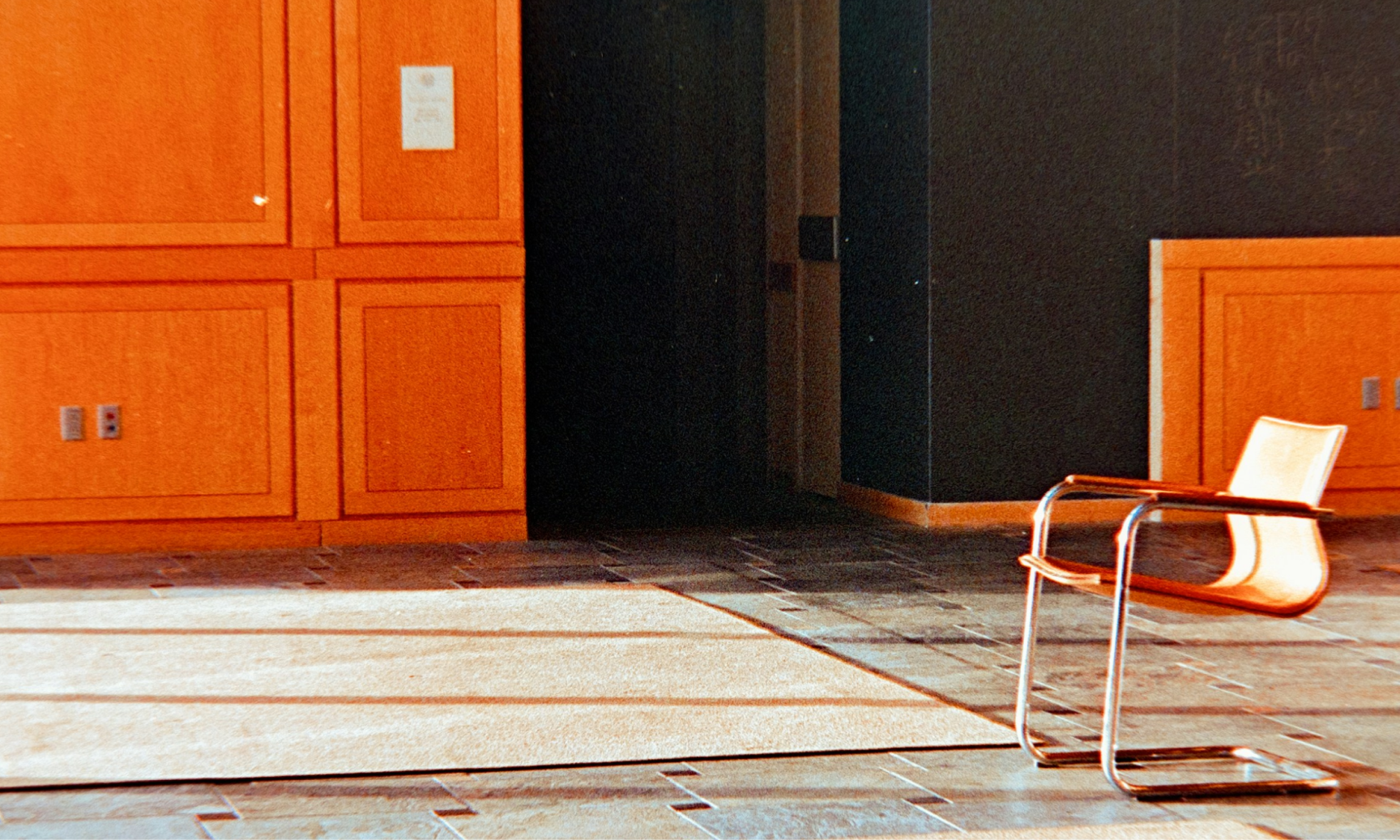

The digital exhibition stand — an outdated principle
Once upon a time, the idea was right:
You set yourself up online just as you would at the trade fair — with banners, slogans, product presentations and a big “Welcome to us! ”.
But: The Internet is not an exhibition hall.
No one walks by by chance. Nobody stops because the roll-up shines beautifully.
Most websites are still stuck in this thinking:
“If we just show everything, we'll be convincing. ”
But anyone who surfs today is not looking for sensory overload, but orientation.
Symptoms of a digital exhibition stand:
- Content that talks more about the company than about the customer
- Hero slider with three-second attention span
- “Our team” sites without a real personality
- PDF downloads that feel like trade fair bags full of promotional material
Why this approach is failing today
User behavior has changed radically.
Customers want quick relevance, non-representative glossy films.
They decide in seconds whether they feel understood or not.
“The question isn't whether you're visible online. It's about whether you make sense online. ”
In the past, “information” was the currency in B2B marketing.
Today it is relevancy — i.e. the ability to tell content from the user's perspective.
Three key reasons why websites are sanding up today:
- They communicate from the inside out.
The visitor should understand what the company is doing — instead of the company showing that it understands the visitor. - They're trying to impress instead of convincing.
Visual volume replaces strategic clarity. - They're built for search engines, not people.
Keywords instead of core messages. SEO instead of empathy.
From exhibition stand to experience area
A good website doesn't work like a stand, but like a room:
open, clearly guided and with a noticeable attitude.
It offers orientation instead of overwhelming demands.
She invites instead of explaining.
And it answers the most important question first:
“Am I in the right place? ”
This is what you need:
- One clear core messagethat gets stuck in a sentence
- Content that leads, instead of losing — logically, visually, emotionally
- Human touchpoints: Faces, Voices, Stories
- Strategic gaps: Spaces in which users can think for themselves
A website is not an exhibition stand, but a digital conversation. And conversations thrive on interest, not on volume.
Websites that look like exhibition stands are the product of an old understanding of communication:
Show instead of understand.
But markets are no longer exhibitions. They are dialogues.
Customers don't want a stage program.
They want partners who listen, understand, and provide guidance.
So: dismantle the exhibition stand. Create space. Atmosphere instead of display.
TL;DR
Many websites are digital replicas of past exhibition halls:
loud, overloaded, replaceable. The logic: “Whoever shows a lot looks big. ”
The reality: Overload, scrolling fatigue, disinterest.
What counts today:
B2B customers don't want to see What you have, but feel that you understand them.
Three things make the difference:
- Relevance: Content that reflects the customer's perspective.
- Clarity: Structure that provides orientation instead of marketing blah blah.
- Experience: A website that feels like a conversation — not a PowerPoint battle.
The hard truth:
Every website that feels like an exhibition stand has the same problem:
She talks too much about herself — and too little with her counterpart.
The future belongs to brands that open up space instead of playing on it. They listen before they talk. And their websites don't have to scream to be heard.








.png)